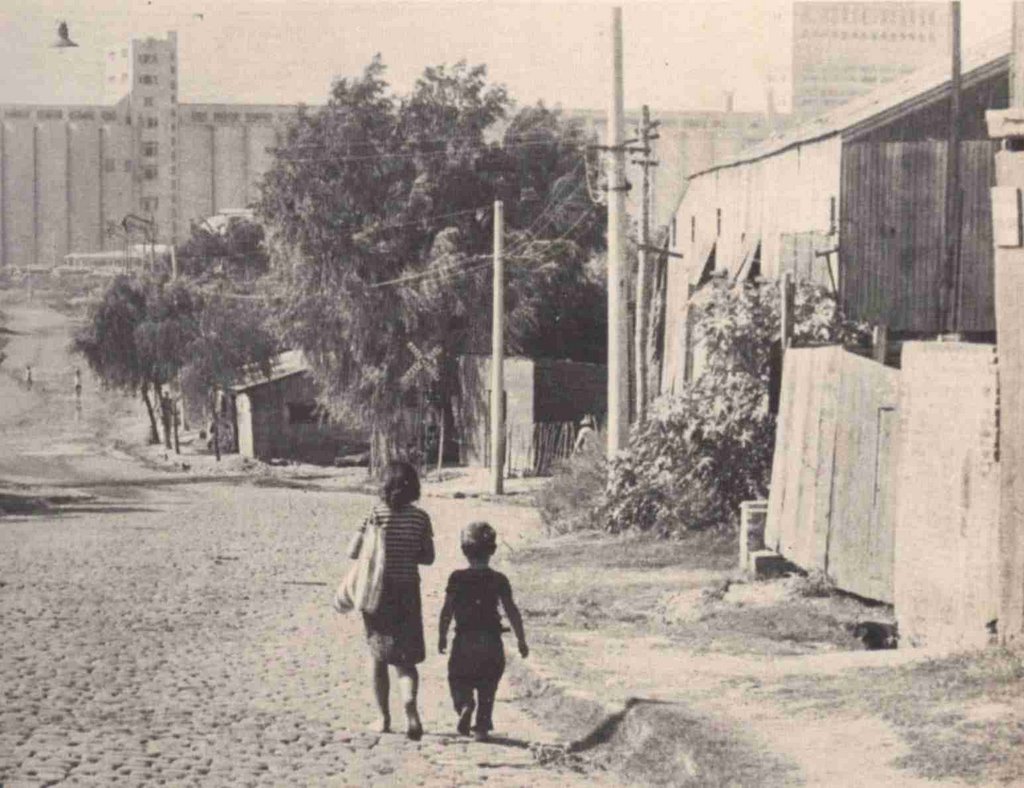
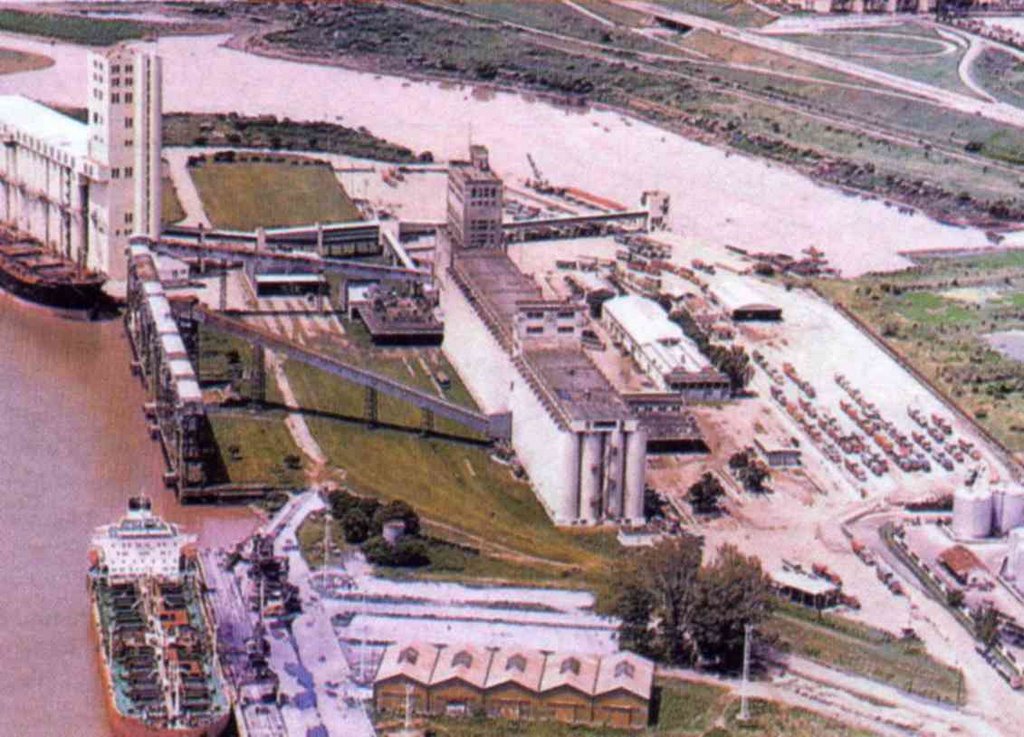
DC Sources library Vigil Villa La Tablada and Manuelita neighborhood was created in 1933 and was privileged have been the origin of what would later be Constancio C. Library Vigil. In 1943 he created a subcommittee to the creation of the Neighborhood Library, whose president was Dr Ruben Klass, who organizes and is responsible for purchasing first books. The same was inaugurated on July 9, 1944.
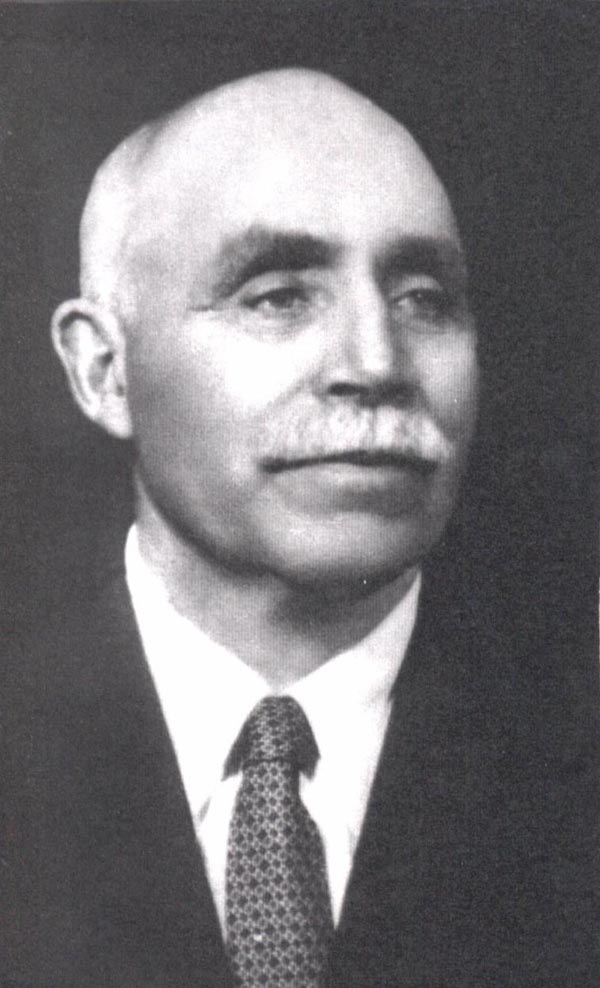
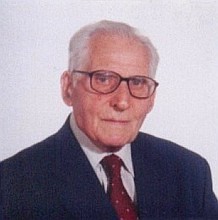
 Klass founder Dr. Ruben Vigil Library
 Mr. Lorenzo Lazarte, who in 1950 created another neighborhood called San Martín
 Lazarte founded the first newspaper in the neighborhood called Alas, created in October 1944 which had news of general interest on the neighborhood Tablada. Appeared for a year, leaving nine numbers in that period, the run was for 3000 copies to be distributed in homes for free. The administration worked in conjunction with the School of Special Education "Ariel" Amenabar 411. It was led by Lazarus himself and advised by the writer Oscar Parodi.
 This was the last issue of the Journal, "Wings," directed by Lorenzo Lazarte, appeared in October 1945. the newspaper and its director had close ties to Peronism.
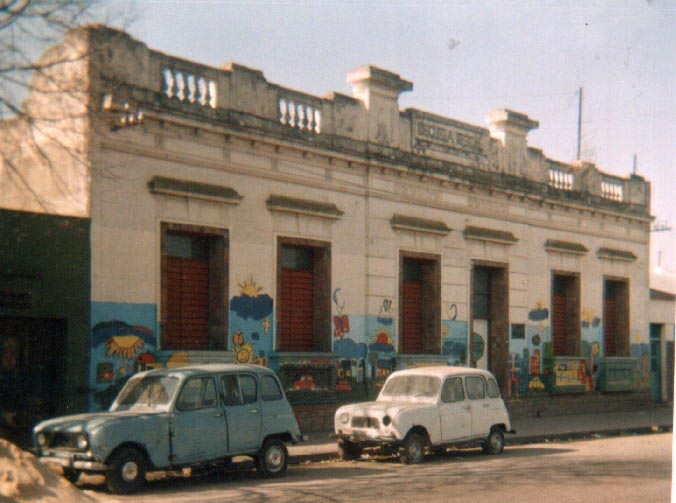
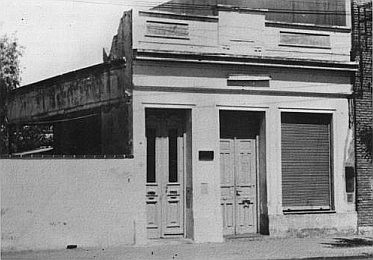
 Since 1948 worked in the local neighborhood of Alem 3033, where before there was coffee Boba Juan and Alfonso, who had two tennis balls. The local house and were rented by the mother of the above. It seems that this lady was not as "silly" because he rented to the owner in the amount of $ 40, yet he sublet the premises to the neighborhood of $ 50, staying with a $ 10 profit.
 In 1948, the Neighborhood and Village Library Manuelita Tabal and moved to this rented Alem 3033.
 A reading room concurred children who gathered in the corner to chat, among them were some who would later become their managers and those who, delaying their work, be dedicated to the task of developing the library . Within the neighborhood there were some who for several years were not happy with the way you drive the library by Santos (was the case of Nicholas D'Uva and Alfredo Martinez), novels and non-incorporated that textbooks for students the neighborhood, and took the entry of these young people to secede and create a subcommittee Library. This happened on September 23, 1953 and in it were: Mark Abascia, Nicholas D'Uva, Oscar Fachinello, Domingo De Nichilo, Zulma Agustini, Cristina Lopez de Alda, Beatrice Sommi, Alfredo Martinez, Michael Oliva, Luis Angel Fina, Albino and Natalio Serpi Corengia.
 The first drawing was made in December 1956, consisted of five awards, as illustrated by the photograph, are exhibited in Ayolas and San Martín Av. The first was on a motorcycle brand "Puma" zero kilometer, the second was a fridge "Siam" the third a sewing machine "Lander", the fourth a washing machine "Papaot" and the fifth was a kerosene stove "Super Volcano" (Picture Oscar Faini)
 The success was such that the raffles were increasing , until in 1958 it was decided to implement a staggered monthly payment for the quota system, an idea occurred to Augusto Duri.
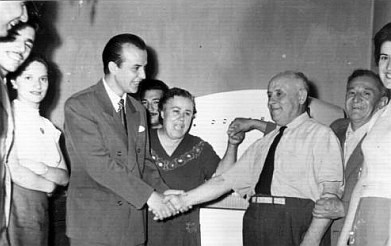
 The photo shows the time of delivery of prizes to the winners of the first bond of the Library Vigil, by Augusto Duri in 1956 (picture Oscar Faini)

Pictured
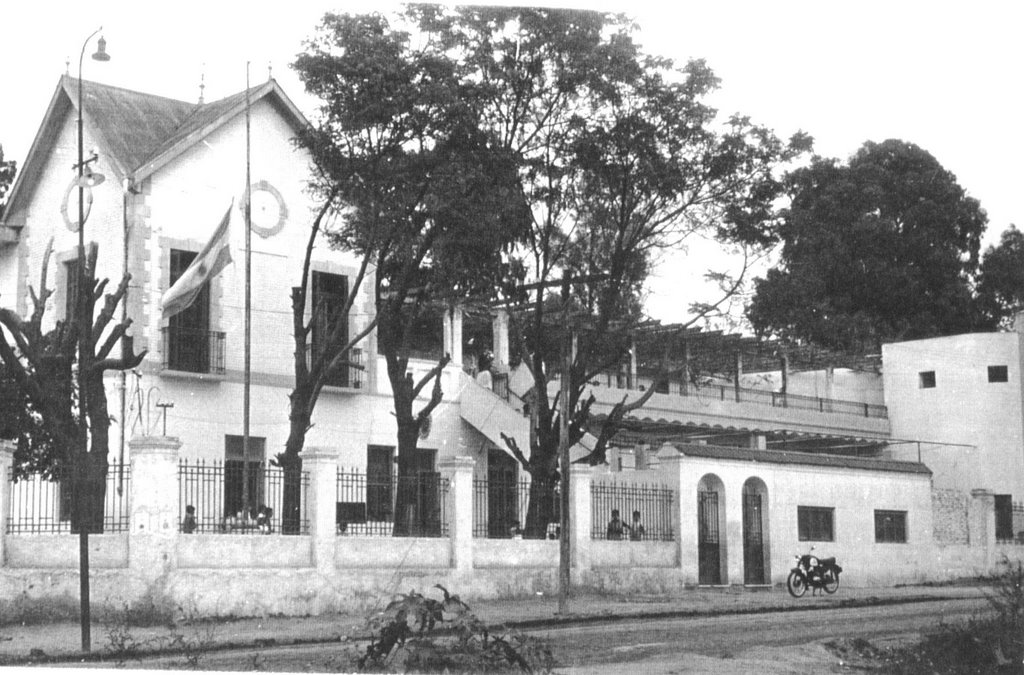
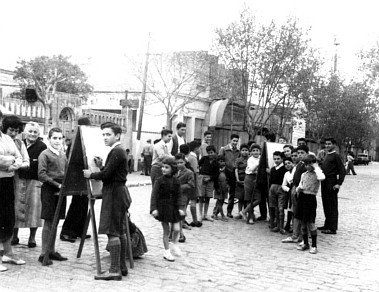
year 1956 may be an exhibition of drawings made against the Hall of Neighborhood and Library, adorned with a flag. At the bottom right shows the Munitions Torrres Alem 3251, now demolished. Note that had not yet built the school building of Peru (Photo: Oscar Faini)
 In this exhibition of drawings from 1957 can see a flag hanging from the scaffolding for the construction of new school No. 615 "Republic of Peru" (Picture Oscar Faini)
  The Library also provides scholarships for students from 6 ° grade, so they can continue their secondary education, in this case also delivered by Mr. Augusto Duri president.
 As the district had changed its name to General San Martín in 1950, was also replaced the old name of the neighborhood Tablada and Villa Manuelita by General San Martín and permanently delete the old neighborhood that name. But it was also necessary to change the name of the library. For this purpose a survey was conducted among people in the neighborhood to see what name is put out favored "El Gráfico", who was the sports magazine.
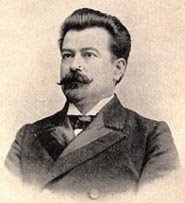
What emerged from this survey, conducted primarily among men the neighborhood was very little they care about culture, for them was much more important a recreational activity such as football, manifested not only in practice but also in the acquisition of a magazine as it was "The Chart" . Discarding the possibility of putting that name, decided to place its founder, is why, from February 9, 1957, was given the name "Constancio C. Vigil, who was the creator of the editorial Atlantis. Many locals had no idea who was Vigil, his writing also unknown.
 Cecilio Constancio Vigil was the author of numerous children's books as the Monkey Watchmaker, The Ant Traveling, etc. Atlantis publisher founded in 1918, he edited several magazines such as: Atlantis (1918), to give her name to the editorial Figure (1919) for football lovers Billiken (1919) dedicated to children, Iris (1920), Para Ti (1922) devoted to women, Grand Guignol (1922), Tipperary (1928) and La Chacra (1930) dedicated to the man in the field.
 The Bibiloteca had grown enough to try to become independent, separate from the neighborhood on November 11, 1959, emerging as an autonomous institution at the time and counting with 2,500 books. That day he called a special meeting on the premises of Alem 3033. The rest is a separate chapter, as the Vigil Bibliooteca become true Cultural Complex, pride for the city of Rosario and Argentina.
This text and photographic material were extracted from the book "History of the district and the Library Tablada CC Vigil" Prof. Jorge D. Malla, published by the Neighborhood Avros and published in July 2006, who liked the courtesy to give us your material.
The Author

Jorge Malla was born in Rosario, August 25 1960. He is Professor of History and researcher specializing in issues concerning the city of Rosario and its region.
In 1994 received Humaniddes Faculty of Arts and National University of Rosario and since 1995 works as a teacher at Middle School No. 434 "General Las Heras" in Rosario.
In the early 1990's came to Barrio San Martín to gather information about the Library Vigil with the aim of completing their final dissertation carrera.Allí discovered that the Library began with the initiative of members of the Neighborhood District of moments and then, by conceptual differences the members decide to separate of the Neighborhood to address the Library project independently.
This led him to investigate the area which had emerged as interesting and important project and met with the very history of the place called Tablada and all its historical connotations, political and social.
Book
The book traces the historical research on the mesh Jorge Barrio Tablada and also from some of its members arises Library project Constancio C. Vigil.
While the historical survey of the Library, had been taken from various points of view given the importance and the importance of this project, the focus of Professor Malla to relate to the Library, a place of cultural development in the 1960's, a poor neighborhood, past marginal and harsh, dark and doubtful, was a novel approach and Therein lies the importance of his thesis.
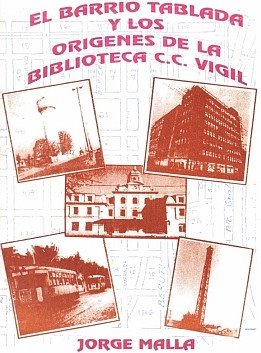
The book cover shown below the amount that was published in 1995, which became a circulation of 600 copies, with 120 pages.
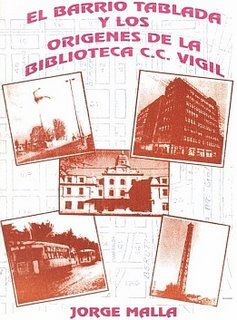
On August 4, 2006 was presented by Prof. Malla second book called "Historia del Barrio Tablada and Library Vigil ", their circulation was 1000 ejemlares and double the number of pages earlier book, that is, 260 pages, also including a CD with an image file with more than 1000 photos.
© 2006 - ROSARIO - ARGENTINA