NEIGHBORHOOD SPACE
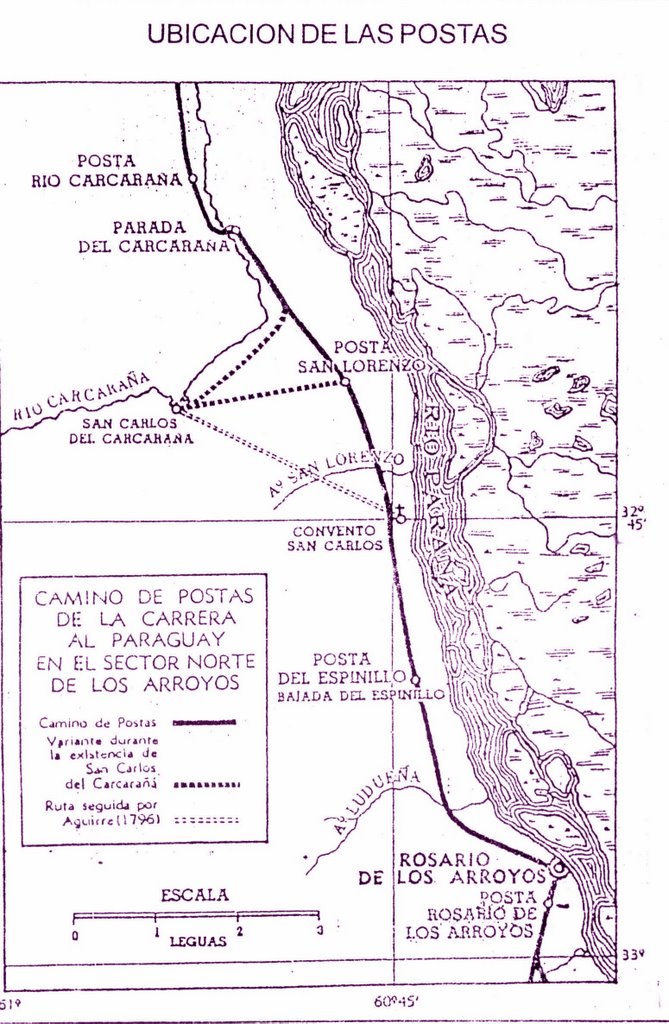
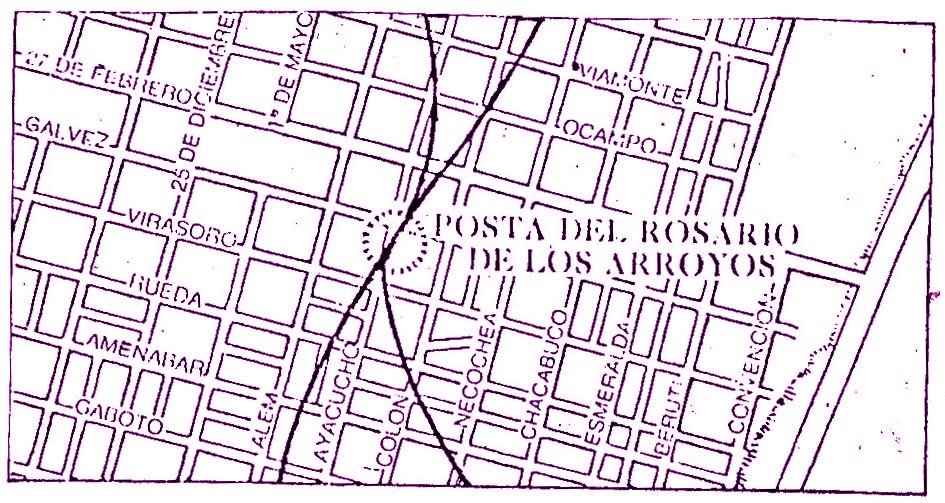
The first place that there is reference in the neighborhood is the Posta del Rosario de Los Arroyos, which is created in 1774, was the postal service or mail, which among realizxaba riding in Buenos Aires and Asuncion, Paraguay. The place was between the Columbus Street, Virasoro, Alem and Bv. February 27, was a high place so that area is not flooded. The posts were located between 8 and 5 miles (1 mile = 5.5 km) ie, guest e 27 and 44 km The post operates until 1933.
 After no more news about the neighborhood until 1874, when it was tendered the const rucción Public Slaughterhouse, which opened two years later, on the Camino Costa, then known Ensign Av Mariano Grandoli ado, the streets Ayolas and Bv. Followed. Bia has some ranches scattered around it, whose people were spending an to use the remains of the slaughter and serve smaller i IMPORTANCE at slaughter.
 Thus, in the environment were established the first industries to operate, which gave rise to the barrio Villa Manuelita and several tenements. Also possible to establish the first bowling, which in reality were convenience stores that also had taproom, these being the first initial meeting places and exchange outside the workplace.
 The oldest site population was known as Villa Manuelita located about five blocks south of Slaughter on what is now Calle Centeno and 1885. there were the 14 provinces. Doña Manuela was the lady who rented the houses that had the name of each of the provinces were Argenton and 14. Since the street had no name was called Villa Manuelita and then gave that name to the entire neighborhood.
 Municipal Abattoir worked on the same site until 1931 when it was moved further south to the street where he Lamadrid and Pederson built the new slaughterhouse, a part of it being sold the CAP (Corporate Argentina Beef Production) in 1961.
 worked at the site where the Old Slaughterhouse Gerontocomio will move the City in 1960 and next year will create the School No. 6430 "Isabel La Católica." Previously there was a project to build there Encausados \u200b\u200bPrison Rosario.
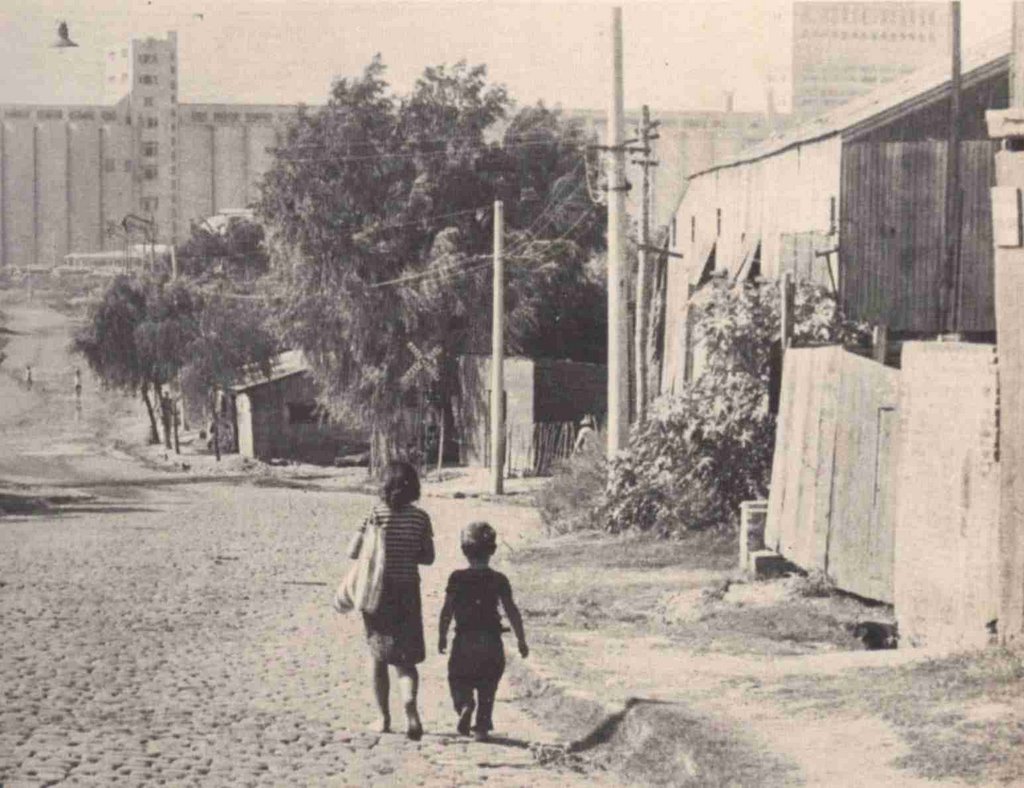
 Earlier this century, the area in the early Ayolas street, towards the Paraná River, was designed as a repository of domestic waste in the city. Its surroundings are poor people filed for the extraction of metals, bones, glass, etc., staying in huts built with cans, wood, adobe, etc., this is the origin of what would later be called Villa Villa Miseria Manuelita.
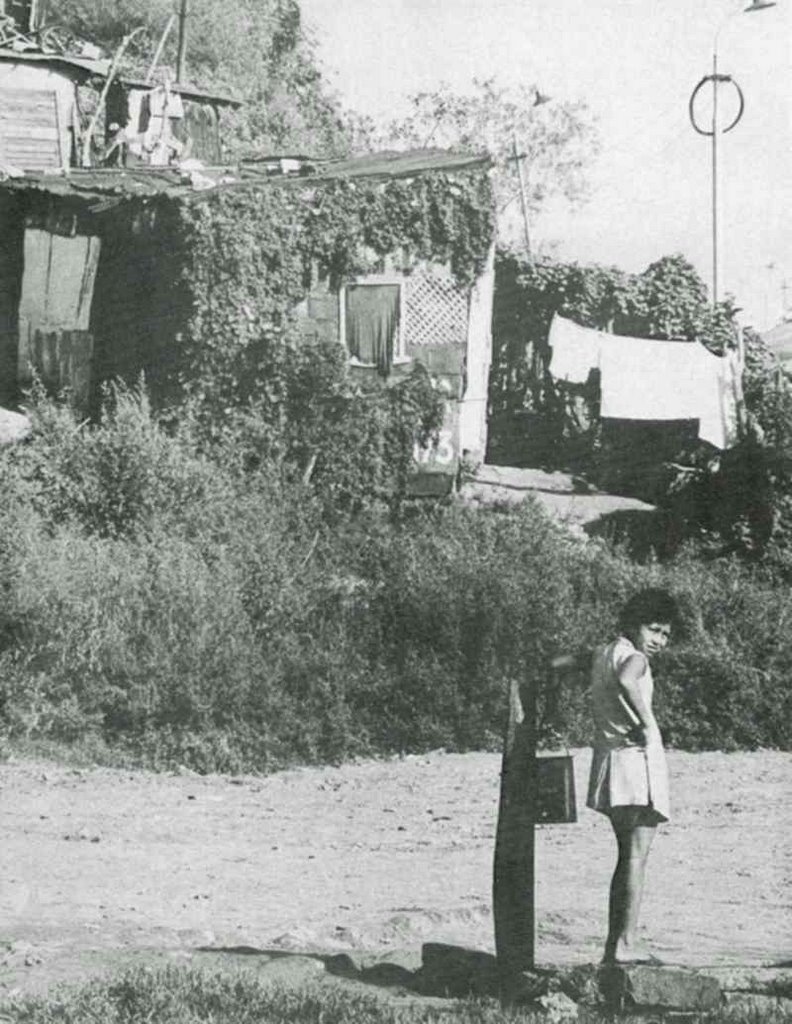
 One of those engaged in this activity was a English immigrant named Jesus Perez started as "surgeon" and effort was progressing becoming "junk" by buying the "rag pickers" metals, bones, glass, etc. until he got in 1925, being the concessionaire selected by the city to exploit away for thirty years.
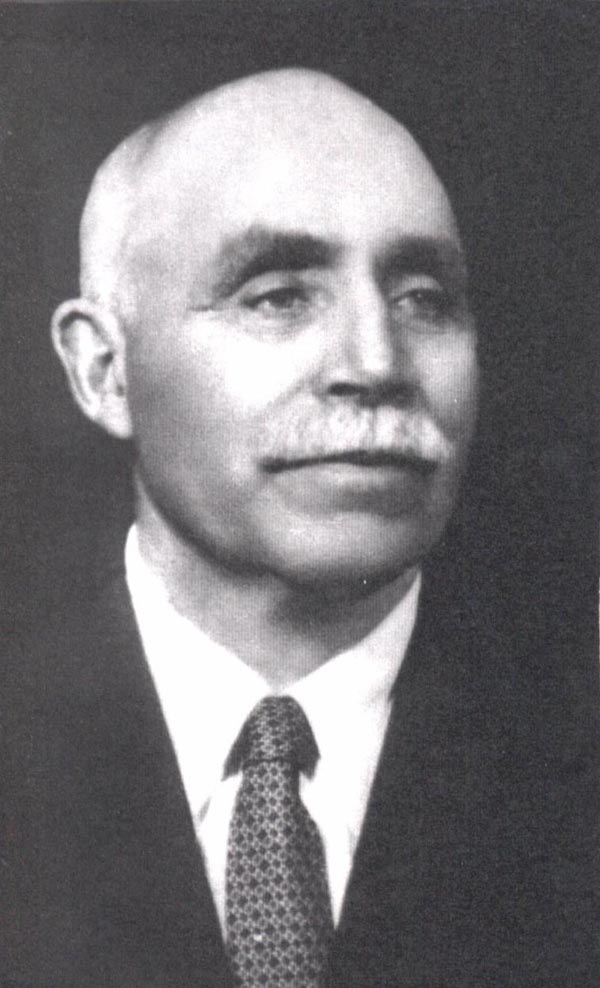 Parallel to this activity, also was a merchant and exporter of fat and bone. He had some huge pots that were used to boil the bones that took out the garbage and dead animals brought from the slaughterhouse. Took away the fat and placed in drums of 200 liters were used for export. The bones after cooking put them in a pile that was about 50 meters high and 130 meters long. It also had a bone crusher, which was used to refine sugar.
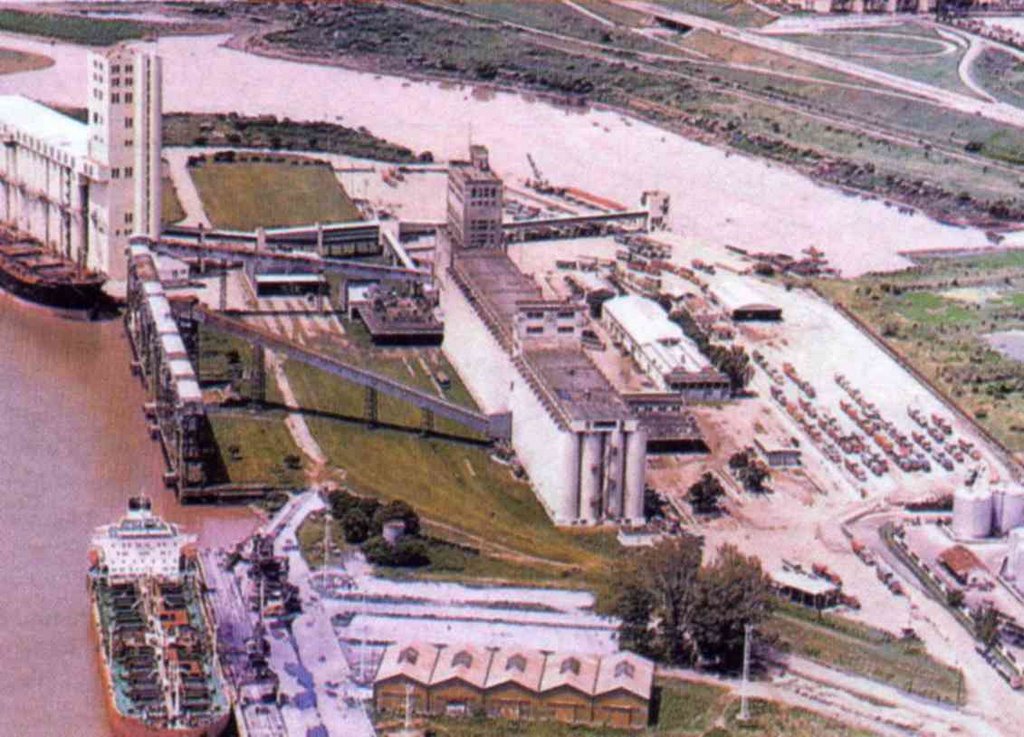
 Rosario port exported a lot during the Second World War, as a result of the devastation suffered by European countries, exporting all kinds of foodstuffs such as grain, oil, bones, meat, etc.
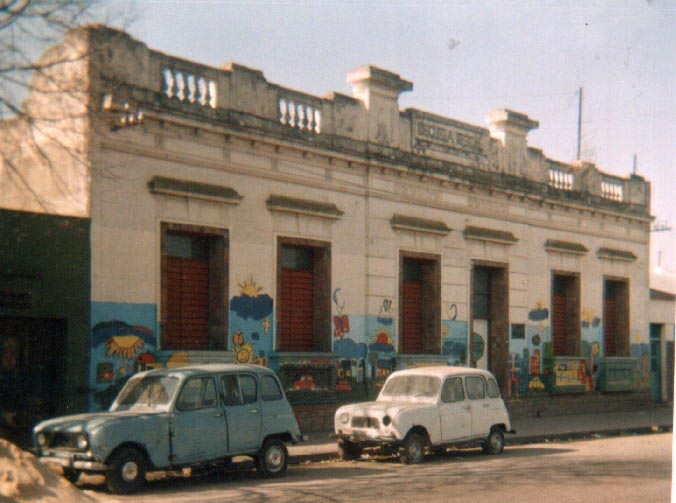
 Another feature of Jesus Perez was his relationship with two schools in the district, which built their buildings. One of them is the current school building No. 81 "Juan José Paso", located in Cabot, 22 bis and was first occupied by the School No. 85 "Esteban Echeverría". That building was built expressly for Jesus Perez and then sold to the provincial government to operate the school.
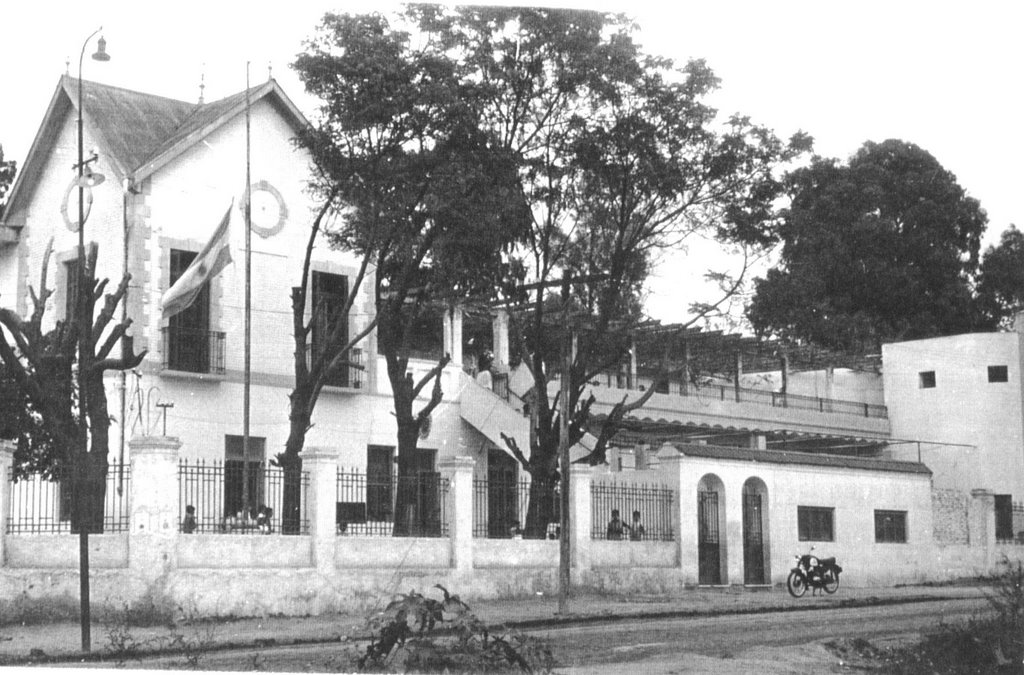
 The other was a two-story house called "Villa Eloisa, built over a ditch, in Ayolas 299 bis, where the school originally functioned No. 114" Fair Deheza "known as "The Debris", because it was located next to the landfill. Jesus Perez initially hired him to school the first floor, living it on the floor, but then moved and the whole building was occupied by the school.
 The typical houses in the neighborhood began as wood and metal boxes, similar to those built in other neighborhoods of the city workers. Were made of corrugated iron on the roof slopes and placed vertically on the walls, some of them were of pitch pine inside with boards nailed machimbrada thinner straps, other houses were made with cans of kerosene five-gallon, opened, were stretched and nailed from the bottom up.
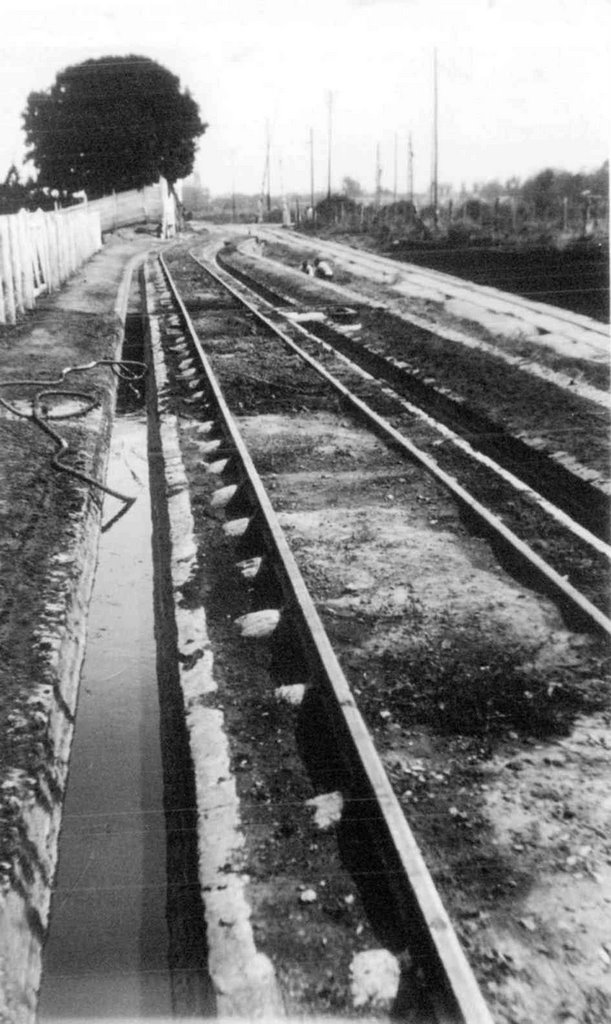
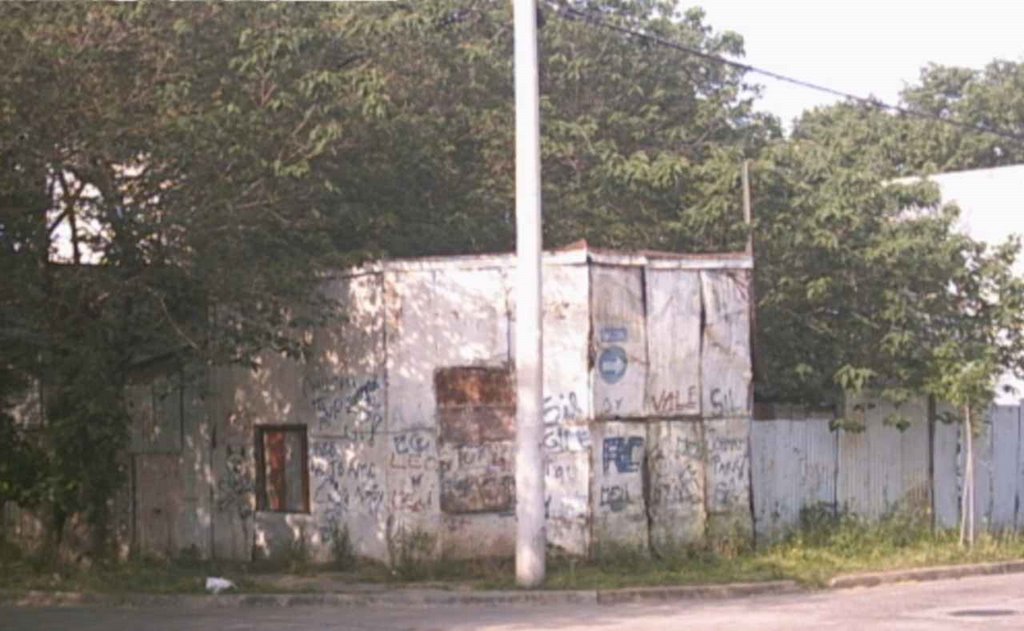 The place that gives rise to the name "Table" was located in Necochea between Galvez Street and Bv. February 27, there where the railway level crossing Belgrano (Ex-Central Railway Cordoba, their access to the port) on the hand of the odd numbers, were the shackles, or yards, where they lowered the cattle, pigs, sheep, etc. , who arrived by train. Tables are where there are pens and proceed to finish off the farm. It is also the place where animals are kept for slaughter in the slaughterhouse. It is worth mentioning that the name of Tablada is not on any official document and that use was imposed by the popular custom.

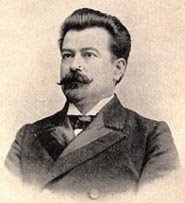
 Among Necochea street, Cabot, Convention and Virasoro, the land was taken into possession by Dr. Rafael Calzada, so long the district took its name, until in 1911 were loteados. It was also the owner of the lands that were to the west of the San Martin Avenue between Cabot and Bv. Segui, comprising approximately to what is now James Street.
This text is part of the book he published history professor Jorge Malla, called "Historia del Barrio Tablada and CC Library Vigil", Edited by Neighborhood Avros in August 2006.
For more information or to purchase the book, contact our E-mail: Jdmalla@fullzero.com.ar
Our Locations: Latin America: Argentina: Rosario
© 2006

